Two- and three-year-olds learn through movement, repetition, and relationship. Here is a flexible menu—not a rigid schedule—to try this week.
Morning: words and everyday objects
Name three things at breakfast (cup, spoon, banana). Hold each item, say the word slowly, and invite a repeat if your child wants to. Our first words flashcards can mirror those everyday objects when you want a calm table activity.
Midday: animals and sounds
Read a short animal book or use animal sound flashcards. Take turns: you say the animal, they make the sound—or the other way around. Keep it silly and short.
Afternoon: move and count
- Jump three times, clap four times.
- Line up toy cars and count together.
- Dance to a nursery song, then freeze.
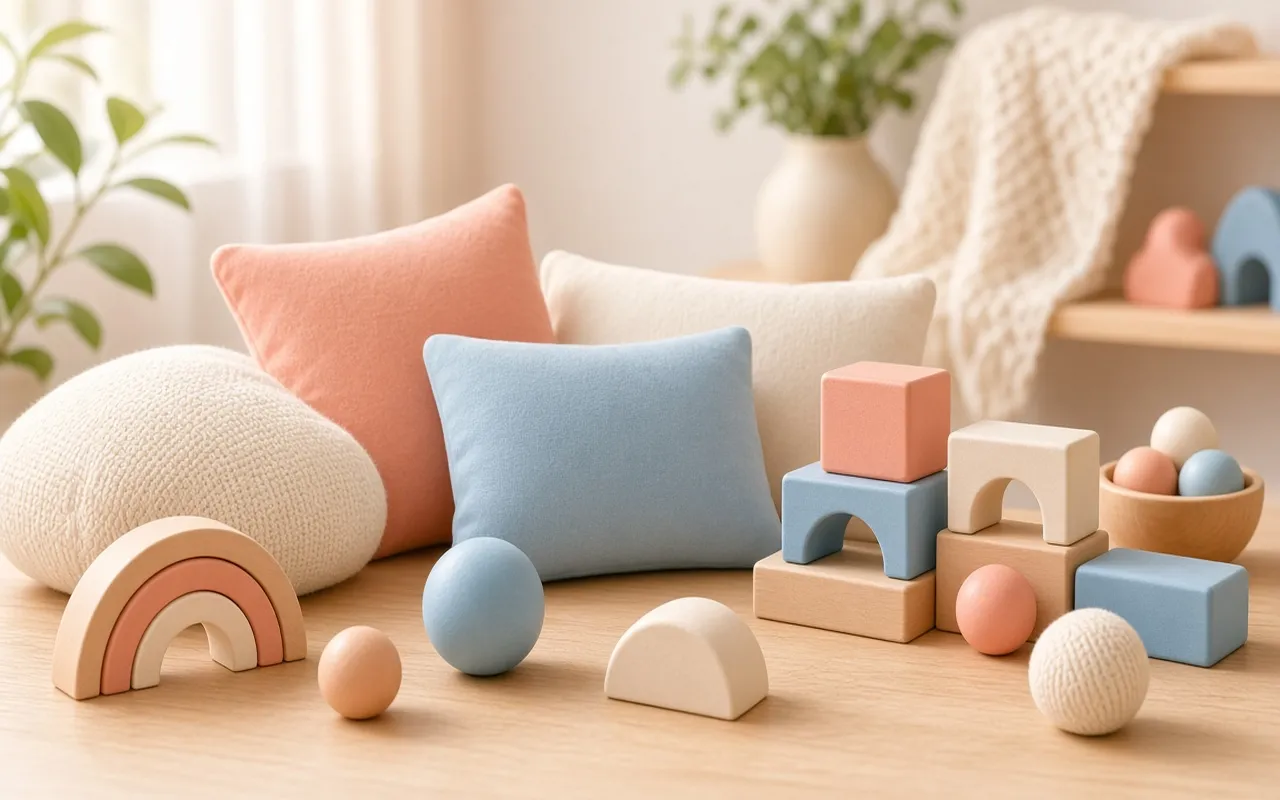
- Put five blocks in a basket, then take them out one by one.
Movement helps attention. If counting feels hard today, return to songs and free play.
Quiet wind-down
Offer a simple matching page, stickers, or free drawing with chunky crayons. Keep paper large. Our number tracing 1–10 worksheets work well when your child asks to “do a page,” not as a required lesson.
What to skip
Long sit-still lessons, too many worksheets in a row, and comparing children. Follow energy and mood. Some days the best learning is outdoor play and a shared snack.
Where to explore next
Browse the Learning Hub, watch a short clip on Videos, or read more in the parent tips blog. Small, repeated moments matter more than perfect plans.