What letter sounds are (in plain language)
Letter sounds are the spoken sounds we connect to letters. When you point to M and say the short /m/ sound as in mom, you are modeling a letter sound. Beginning phonics for young children usually starts with clear consonant sounds and a few short vowel sounds, one small step at a time.
Letter names and letter sounds are related but not the same. A child may know that B is called “bee” before they reliably say the /b/ sound. Both skills can grow together through short listening games.
When families often begin
Many children become curious about sounds around preschool and early kindergarten ages, especially after they recognize some letters. There is no single perfect start date. If your child enjoys songs, rhymes, and naming letters, you can gently add sounds. If they are not interested yet, keep playing with letter names and wait.
Keep sessions short. A few clear examples beat a long list of rules.
How to say sounds clearly
Use the pure sound when you can. For continuous sounds like /m/, /s/, and /f/, you can stretch them softly: “mmmm.” For quick sounds like /t/ and /p/, keep them short and avoid adding a strong “uh” after the sound if possible.
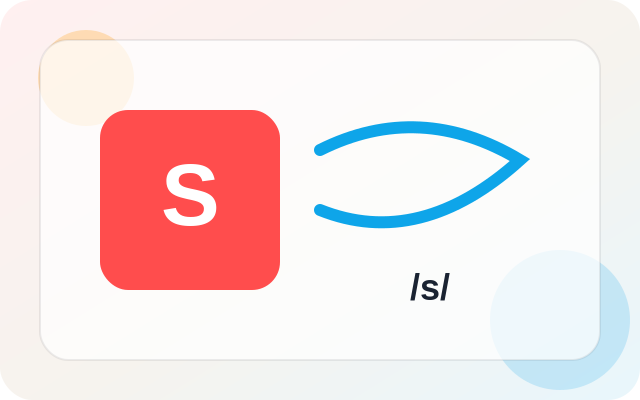
Model more than you quiz. Say, “This is S. It says /s/ like sun,” then invite your child to echo. Echoing builds confidence before independent answering.
A gentle first set of sounds
Start with letters that feel useful and easy to stretch or feel on the lips, such as:
- M as in mom
- S as in sun
- A as in apple (short a)
- T as in top
- P as in pan
Choose two or three sounds for a week. Mastery is not required before you rotate. Familiar favorites can return often.
Beginning phonics activities at home
1. Sound echo
Say a sound, then a word: “/s/… sun.” Ask your child to copy the sound and the word. Smile and repeat with one more example. Stop after a few turns.
2. First-sound listen
Hold up two pictures or objects (a ball and a sun). Ask, “Which one starts with /s/?” If needed, answer together. Choice questions keep pressure low.
3. Sound sorting mats
Make two paper mats labeled with letters, such as M and T. Sort picture cards by beginning sound. Talk while you sort: “Tiger starts with /t/.”
4. Mirror sounds
Sit at a mirror and make /p/, /b/, or /m/ together. Children often enjoy watching their mouths move. Keep it silly and brief.
5. Sound walk
Pick one sound for a walk. Find objects that start with that sound—or pretend playfully if you cannot find a perfect match. The goal is listening, not a scavenger-hunt score.
6. Picture matching printables
Matching letters to pictures by beginning sound gives calm table practice. Try Alphabet Beginning Sounds Picture Matching. Sit together, name each picture, and say the sound before matching.
7. Play activity practice
Our Beginning Sounds play activity invites children to connect a word with a starting letter. Use it beside a caregiver so you can talk through each choice.
Connecting sounds to letters your child already knows
If your child recognizes letters from name games, reuse those letters for sounds. A child who knows M from “Mom” can learn “M says /m/.” Personal links make sounds stickier than random drills.
Continue letter naming alongside sound play. Broader alphabet tips appear in How to Teach the ABCs to Toddlers, and hands-on letter games are available in ABC Letter Recognition. Recognition and sounds support each other when both stay playful.
Rhymes and songs as sound warm-ups
Rhyming and singing help children listen for patterns in spoken language. Nursery-style songs and simple poems are useful warm-ups before a short sound game. Explore ideas on the Nursery Rhymes learning page, then return to one clear letter sound.
After a rhyme, name one target sound only. For example, after a song with “sun,” pause and say, “Sun starts with /s/.” One clear link is enough.
Everyday moments that teach sounds
You do not need a special materials kit. Snack time, laundry folding, and grocery trips all offer listening chances:
- At snack: “Mmmm… muffin starts with /m/.”
- With toys: line up a car, a ball, and a sock; ask which starts with /s/.
- In the kitchen: tap a pan and say /p/ for pan.
Keep the tone conversational. Children often learn more from warm talk than from formal quizzes.
Tips that keep phonics kind
- Prefer listening and speaking before spelling rules.
- Use real objects and clear photos.
- Accept approximate sounds while children are learning.
- Avoid correcting every attempt; model the clear sound again.
- End while energy is still good.
- Rotate materials—cards one day, toys the next—so practice feels fresh.
A sample week of tiny lessons
- Day 1: Introduce /m/ with mom and milk.
- Day 2: Echo /m/ and find one M picture.
- Day 3: Compare /m/ and /s/ with two pictures.
- Day 4: Play a beginning-sounds matching printable.
- Day 5: Child chooses the favorite sound game.
Missed days are normal. Consistency over weeks matters more than daily perfection. If a sound feels hard, pause and return later with a new activity instead of longer drills.
What beginning phonics is not
These activities are home learning play. They are not a reading diagnosis, tutoring program, or medical assessment. Children vary widely in how quickly they connect letters and sounds. If you have concerns about hearing or speech, speak with a pediatric professional.
Conclusion
Letter sounds become friendly when you introduce them slowly, with clear examples and lots of listening. Start with a few useful sounds, play short matching games, and celebrate every echo. Over time, those tiny moments help children notice how print and speech connect.
For more early literacy play, visit the ABC Learning hub, browse Free Learning Resources, and explore gentle games in Play & Discover.